Showing posts with label Educational market. Show all posts

Thursday, February 20, 2025

THE PUBLISHING WORLD’S BEST KEPT SECRET: THE EDUCATIONAL MARKET

by Annette Whipple


For writers who want to break into the publishing world or supplement their writing income or write regularly, the educational market may be great to consider. Never heard of it? That’s okay. I call it the publishing world’s best kept secret.

Educational publishers create materials used in educational settings like schools and libraries. (These books and materials are not typically available at your local bookstore or Barnes and Noble though other work-for-hire projects may be.) The educational market is one type of work-for-hire writing where publishers come up with ideas and hire writers like you to write the project to their specifications for a predetermined audience. And they pay.

Educational publishers publish books, school curriculum, online resources, assessment materials, and more. Many publishers focus on the students. Some create teacher materials as well. Some educational publishers are exclusively online. 


Educational publishers typically:

·       Welcome first-time writers

·       Don’t require a platform or agent

·       Keep all rights while crediting the author

·       Publish book series


Educational market projects are for children (grades K-12). Books and articles are designed to go with school curriculum, so projects have a specific grade or age range. Nonfiction and informational projects tend to be the most common, so research skills are important.


Benefits of Educational Writing

Since no platform or marketing is typically required, educational market writers can focus on writing. Though some educational authors and writers make a career from this writing, others use it to supplement their income. For writers wanting to write trade books, the educational market can build publishing credits and can be used to build a platform. It can also lead to school visits (potentially an important part of a kidlit writer’s platform and income). And your words will inspire and educate children! (See below to learn more about trade vs educational publishing.)


Finding Educational Market Work

If you’re interested in educational projects, you’ll want to find publishers. You might study a market guide, look in SCBWI’s The Book, or (my favorite) visit your local library. Projects vary. You might write books, religious curriculum, decodable readers, assessment materials, and more.

Once you have an idea of some publishers, you’ll want to contact them. First you need to create an introductory work-for-hire packet. This typically includes a cover letter, resume, and two writing samples. You would treat this like any submission. It should be thoroughly revised and hopefully critiqued before sending it to a publisher.


The Writing Samples

My big tip for creating your writing samples is to use a mentor text to guide you. If you want to write for Capstone or Lerner or Mitchell Lane, borrow some of their recently published books—or a whole series—from the library. Then study the text closely and create a manuscript that would fit into the series.

If you want to write for new readers, don’t just say it in your cover letter. Writing for young readers is challenging, so be sure to show your skills in a writing sample.


Want More Info?

NF Fest has more information for you.

I’ve written some blog posts, too.

If you still want more information, keep an eye on my schedule because I’m teaching a workshop soon. I also highly recommend Laura Purdie Salas’s book called Writing for the Educational Market.


Ready to dive into the publishing world’s best kept secret? Choose an age-appropriate topic. After researching, use a published mentor text to create a writing sample. Do that again for a different topic for your second writing sample. Finish your introductory packet with a cover letter and resume and get it all critiqued.


About the Author: 

Annette Whipple celebrates curiosity and inspires others through her words. She is the author of more than 20 children’s books including The Laura Ingalls Wilder Companion: A Chapter-by-Chapter Guide (Chicago Review Press), Whooo Knew? The Truth about Owls (Reycraft Books), and Quirky Critter Devotions (Tyndale). Annette is a former teacher, nature lover, and chocolate chip cookie baker who lives in Pennsylvania. Learn more about Annette and her free writing resources at AnnetteWhipple.com.
 

Friday, February 4, 2022

Writing for the Educational Market—A Research Junkie’s Dream

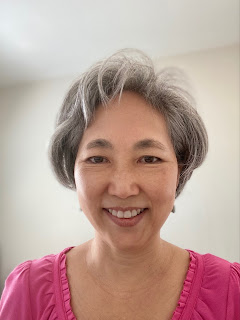
 by Carol Kim


From a pretty young age, I loved doing research projects. I would hunker down in our home “library” surrounded by two sets of Encyclopedia Britannica and an entire series of Time/Life books that covered every science and nature topic imaginable.

Despite my love of exploring facts, I didn’t end up in a profession that involved doing research.

Why? I think it’s because I didn’t want to specialize; I enjoyed exploring and learning about EVERYTHING. But being so unfocused didn’t really lend itself to a profession.

Until I discovered writing for the educational market.

It’s a research junkie’s dream job!

What Is the Educational Market?

The educational market refers to books written primarily for schools and libraries. These books are often referred to as work-for-hire (WFH) children's books. The publisher determines the subject and then hires writers to create the content according to their specifications.

Most WFH books for the education market are nonfiction. They focus on science, math, and social studies, but can cover a wide range of topics. Details such as word count and reading level are set by the publisher.

Some of the biggest differences between the trade and educational market involve payment and creative freedom. In most cases, writers are paid a flat fee for their work, but no royalties. They receive a byline, but the publisher owns all the rights to the book. All parameters (e.g. topic, word count, reading level, and structure) are set by the publisher.


                                                Get ready to research a wide range of topics!


Tips for Conducting Research for Your WFH Assignment

If writing educational books sounds appealing, then I highly encourage you to explore breaking into this market. And once you do, here are some of my best tips for researching your books.

It’s not necessary to dig deeply into your topic

This is not a dissertation you are writing. It is a children’s book, and many are written for elementary school-aged kids. Most of the books I write are in the 1,500 to 2,000 word range. That does not allow for extensive exploration into your book’s topic. Think about it– if the book is to include four chapters, plus an introduction, that only leaves you around 400 words per chapter.

Keep your audience in mind

Every typical WFH assignment will include specifications about the target reading level of your audience. This means your research should be focused on information that would be both understandable by this age group, and be interesting to them.

Try to find some informational gems

This kind of goes against my earlier advice of trying to avoid going deep down research rabbit holes. But finding and including something about your topic that is not widely known can surprise and delight your reader. Recent sources can be the way to find these treasures.

Avoid the over-researching trap

One mistake I made with my earlier WFH projects was spending hours digging deeply into the topic before creating an outline. I ended up with a lot of unused research.

 It's much better to start with just enough research to create an outline. Wait to go deeper until you start writing. You can better target your research, which is much more efficient and effective. Believe me, it will save you a lot of time. 

If you are a research junkie, WFH can be a great outlet for your love of unearthing facts. While the monetary rewards are somewhat modest, I like to think of this work as getting paid to explore topics you previously knew nothing about. And who knows? Maybe your next book idea will come from some of that research you had to leave out!


Give It a Try

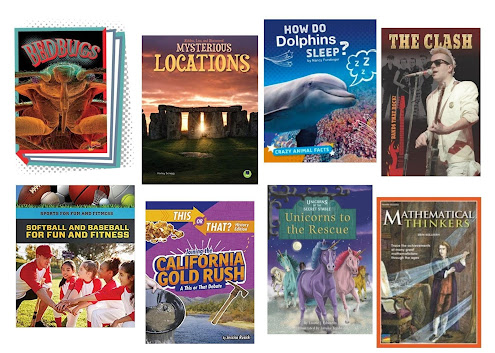
For those of you who want to examine this market further, start by exploring educational books. Visit a range of educational publishers and take a look at their catalogs. Here are a few to get started: Capstone, Lerner, Enslow, North Star Editions, and Amicus. See what kind of books they publish, topics they cover, and grade levels. Try finding some at your library (including ebooks) to take a closer look. If they seem like books you might enjoy writing, then study their WFH submission guidelines.


Meet the Author

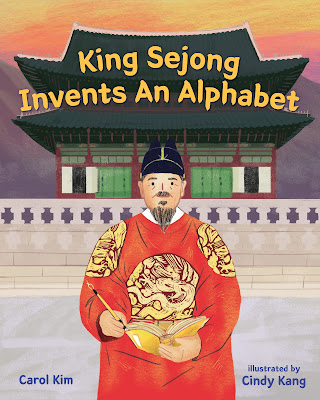
Carol Kim believes books and words have a magical ability to change the world for the better, and she writes for children with the hope of spreading some of that magic. She is the author of the picture book biography, King Sejong Invents an Alphabet as well as dozens of fiction and nonfiction books for the educational market. Carol relishes unearthing real-life stories and little-known facts to share with young readers. Learn more at her website: www.CarolKimBooks.com or her website on the craft and business of writing for kids: www.MakeaLivinginKidlit.com.